
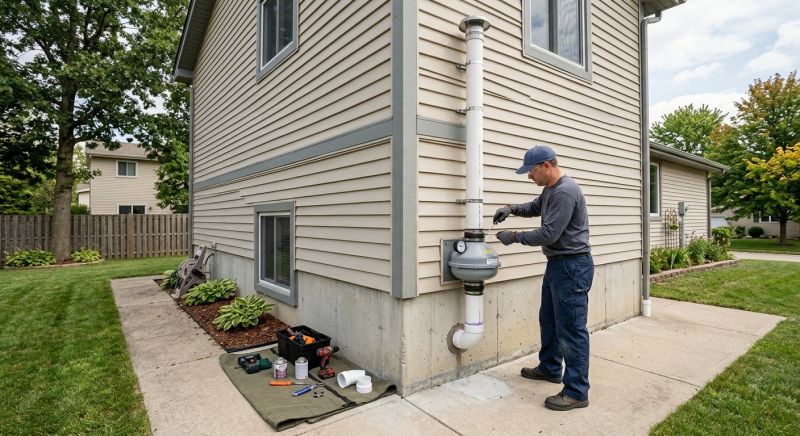
Radon Elimination in Naperville, IL
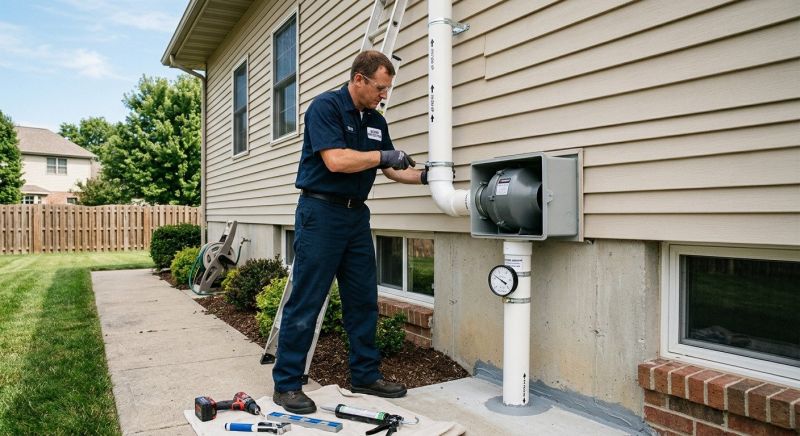
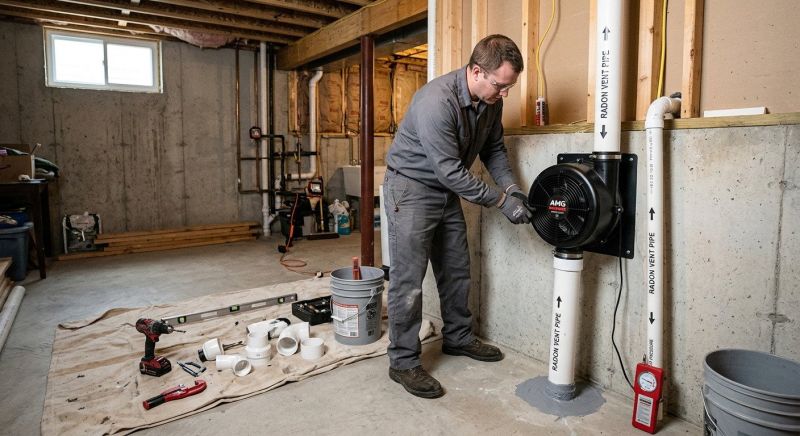
Radon elimination services focus on reducing radon gas levels within residential properties to promote healthier indoor air quality. These services typically involve installing specialized ventilation systems or barriers designed to prevent radon from seeping into homes through the foundation or soil. Projects may include addressing existing radon issues in homes, as well as preventative measures during new construction or renovation projects to ensure safe indoor environments.
Property owners interested in radon elimination usually want to understand the extent of radon levels in their homes and the most effective methods for mitigation. It’s common to request radon testing prior to and after installation to verify results. Homeowners should consider factors such as the age and foundation type of the property, as well as any previous radon concerns, to determine the appropriate mitigation approach. Proper understanding of these elements helps ensure that radon levels are effectively reduced to safe standards.
Many property owners in Naperville, IL look into Radon Elimination for repairs, replacements, upgrades, and appearance-related improvements.
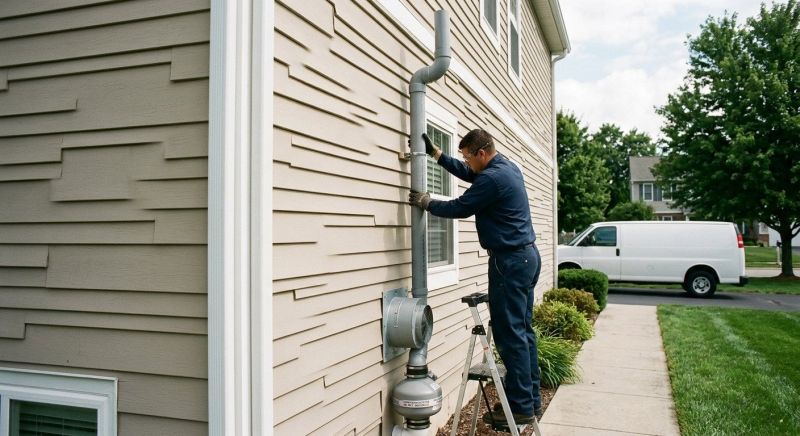
Radon Testing And Assessment
Accurate radon level measurements help identify potential indoor air quality concerns in residential and commercial properties.
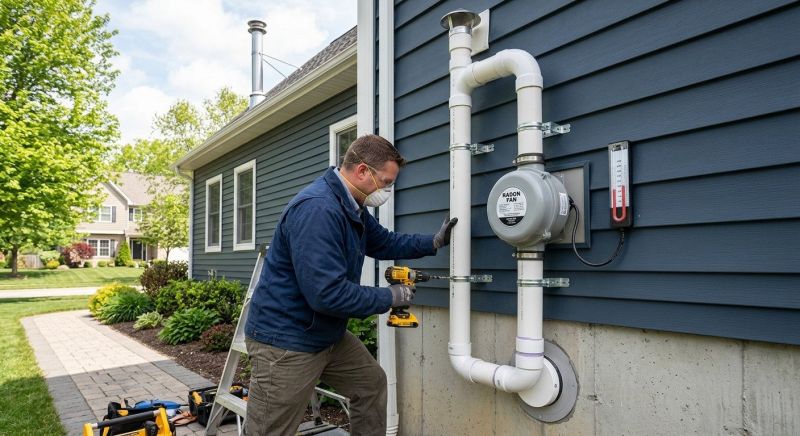
Radon Mitigation Solutions
Effective systems are installed to reduce radon levels and improve indoor air safety in homes and buildings around naperville.
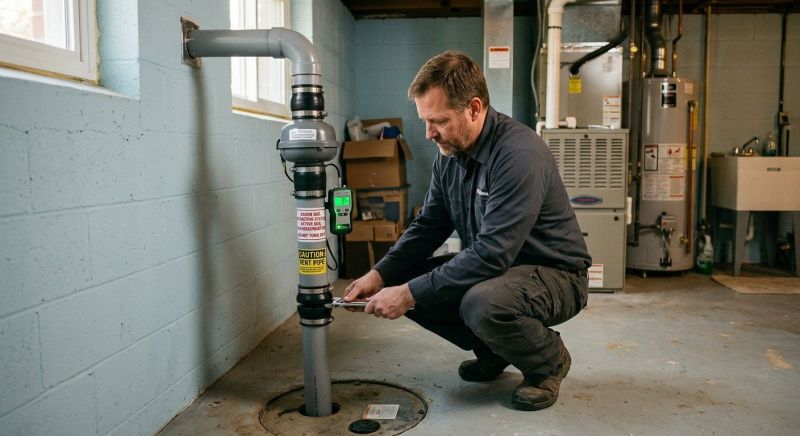
Radon Prevention Strategies
Proactive measures are recommended to maintain safe radon levels and protect property occupants over time.
Radon Elimination in Naperville, IL

Radon elimination services focus on reducing radon gas levels within residential properties to promote healthier indoor air quality. These services typically involve installing specialized ventilation systems or barriers designed to prevent radon from seeping into homes through the foundation or soil. Projects may include addressing existing radon issues in homes, as well as preventative measures during new construction or renovation projects to ensure safe indoor environments.
Property owners interested in radon elimination usually want to understand the extent of radon levels in their homes and the most effective methods for mitigation. It’s common to request radon testing prior to and after installation to verify results. Homeowners should consider factors such as the age and foundation type of the property, as well as any previous radon concerns, to determine the appropriate mitigation approach. Proper understanding of these elements helps ensure that radon levels are effectively reduced to safe standards.
Many property owners in Naperville, IL look into Radon Elimination for repairs, replacements, upgrades, and appearance-related improvements.
Common Radon Elimination Jobs
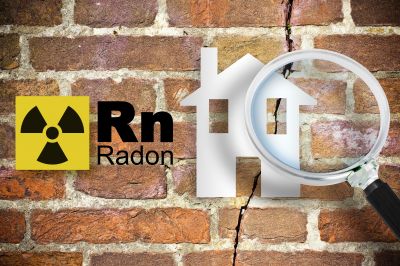
Radon testing - identifying elevated radon levels in residential and commercial properties.
Radon mitigation - installing systems to reduce radon concentrations in indoor spaces.
Basement radon removal - addressing radon buildup in below-ground living areas.
New construction radon prevention - incorporating radon barriers during building development.
Radon system maintenance - ensuring existing mitigation systems operate effectively over time.
Radon inspection - evaluating property for radon risks before purchase or renovation.
Radon Elimination Questions
What is radon elimination? Radon elimination involves reducing radon levels in a property to improve indoor air quality and safety.
When should radon testing be considered? Testing is recommended when purchasing a home, after renovations, or if radon levels are suspected to be high.
What methods are used for radon removal? Common methods include installing venting systems and sub-slab depressurization to reduce radon entry.
Is radon elimination necessary for all homes? Radon mitigation is typically advised when testing shows elevated radon levels in a property.
Request Radon Elimination in Naperville, IL
Use the quote form on this page to share the basics of your project and request more information for the type of work you need.