
Radon Gas Abatement in Chicago, IL
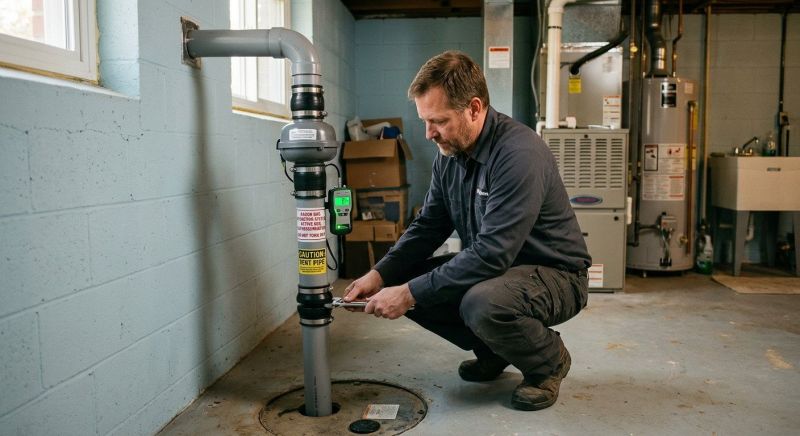
Radon gas abatement services focus on reducing elevated levels of radon, a radioactive gas that can accumulate indoors and pose health risks to residents. These services typically involve installing specialized ventilation systems or sealing entry points to prevent radon from entering living spaces. Projects often include homes that have tested positive for high radon levels, as well as new construction or homes undergoing renovations where radon mitigation is recommended to ensure indoor air quality meets safety standards.
Property owners interested in radon abatement usually want to understand the scope of work involved, the effectiveness of mitigation systems, and any necessary preparations before installation. It’s common to inquire about the testing process, how radon levels are monitored afterward, and the maintenance required to keep indoor air safe. Clarifying these details helps homeowners make informed decisions about protecting their families and maintaining a healthy living environment.
Many property owners in Chicago, IL look into Radon Gas Abatement for repairs, replacements, upgrades, and appearance-related improvements.
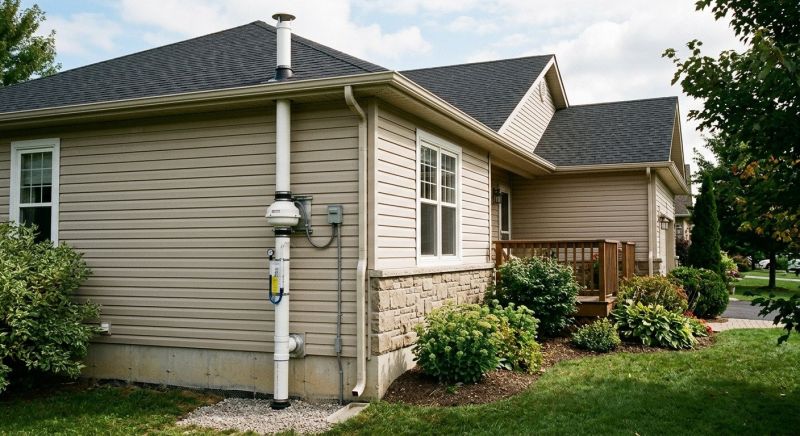
Radon Testing And Identification
Assessing radon levels helps determine the need for abatement in residential and commercial properties.
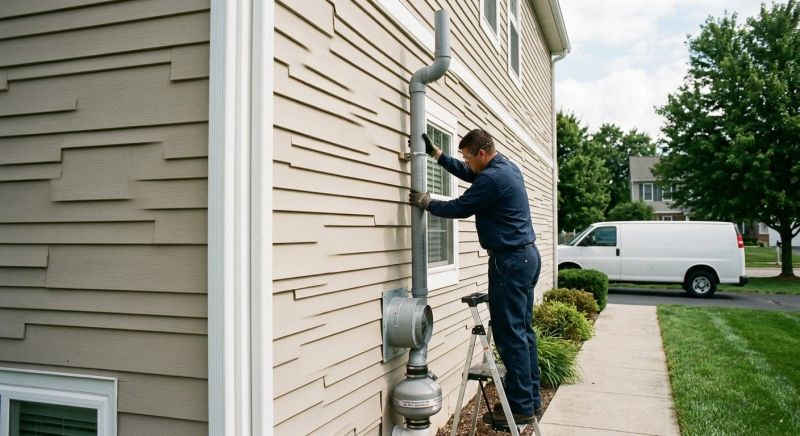
Radon Mitigation Solutions
Effective systems are installed to reduce radon concentrations and improve indoor air quality.
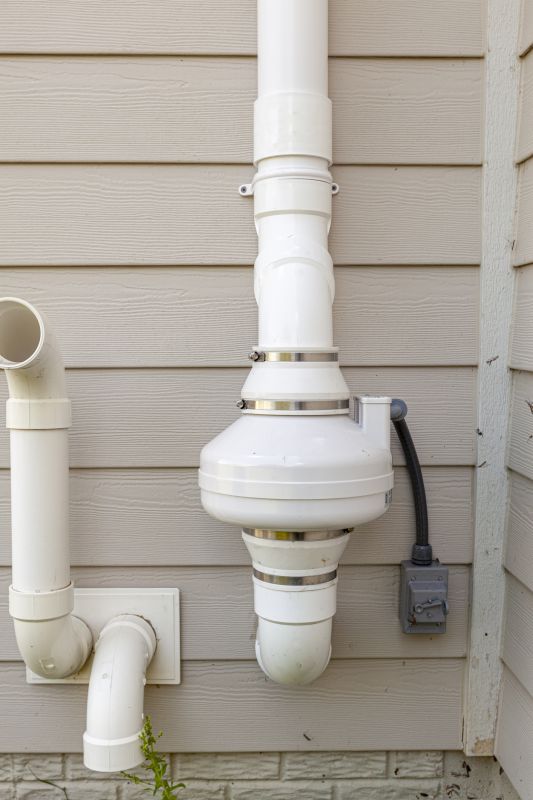
Preventative Radon Services
Proactive measures can be taken to minimize radon infiltration in homes and buildings in chicago and nearby areas.
Radon Gas Abatement in Chicago, IL

Radon gas abatement services focus on reducing elevated levels of radon, a radioactive gas that can accumulate indoors and pose health risks to residents. These services typically involve installing specialized ventilation systems or sealing entry points to prevent radon from entering living spaces. Projects often include homes that have tested positive for high radon levels, as well as new construction or homes undergoing renovations where radon mitigation is recommended to ensure indoor air quality meets safety standards.
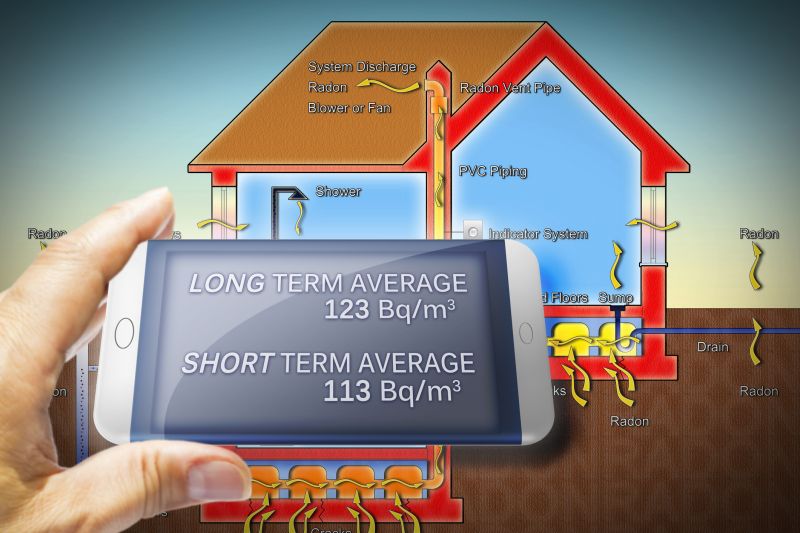
Property owners interested in radon abatement usually want to understand the scope of work involved, the effectiveness of mitigation systems, and any necessary preparations before installation. It’s common to inquire about the testing process, how radon levels are monitored afterward, and the maintenance required to keep indoor air safe. Clarifying these details helps homeowners make informed decisions about protecting their families and maintaining a healthy living environment.
Many property owners in Chicago, IL look into Radon Gas Abatement for repairs, replacements, upgrades, and appearance-related improvements.
Common Radon Gas Abatement Jobs
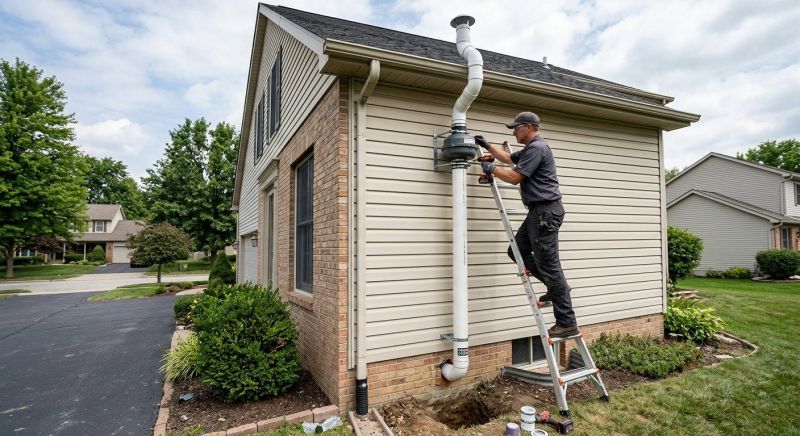
Radon mitigation systems - installations to reduce radon levels in residential properties.
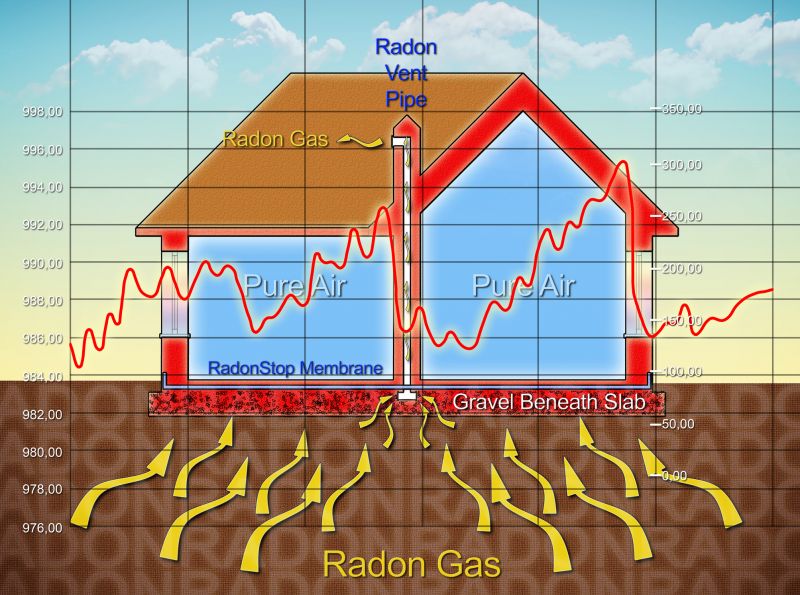
Sub-slab depressurization - a method to vent radon gas from beneath the building.
Sealing and caulking - techniques to block radon entry points around the home.
Soil gas extraction - removal of radon from the soil surrounding the foundation.
Basement radon reduction - targeted solutions to lower radon concentrations in below-ground spaces.
Ventilation improvements - enhancements to increase air exchange and reduce radon buildup.
Radon Gas Abatement Questions
What is radon gas? Radon is a naturally occurring radioactive gas that can accumulate indoors, especially in basements and lower levels of homes.
Why is radon abatement important? Reducing radon levels helps protect indoor air quality and minimizes health risks associated with long-term exposure.
How are radon levels tested? Radon testing involves placing a detector in the home for a specified period to measure indoor radon concentration.
What methods are used for radon abatement? Common approaches include installing venting systems or sealing entry points to reduce radon entry and improve airflow.
Request Radon Gas Abatement in Chicago, IL
Use the quote form on this page to share the basics of your project and request more information for the type of work you need.