
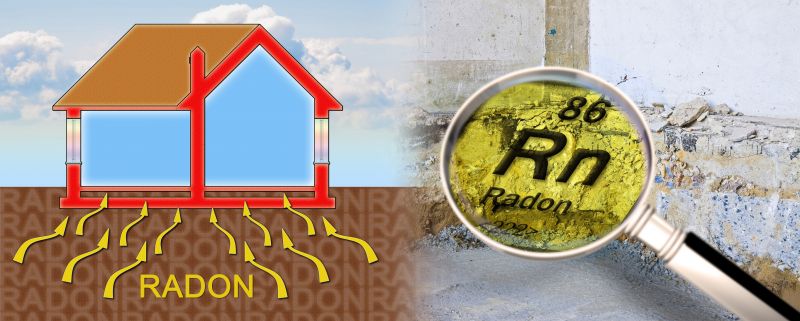
Radon Prevention in Chicago, IL
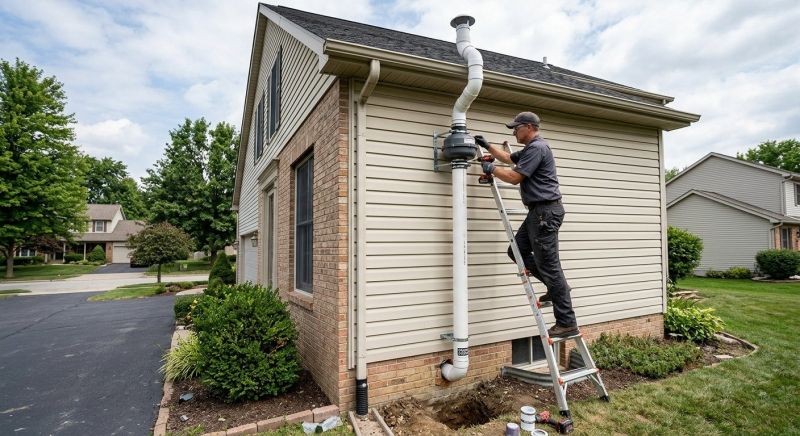
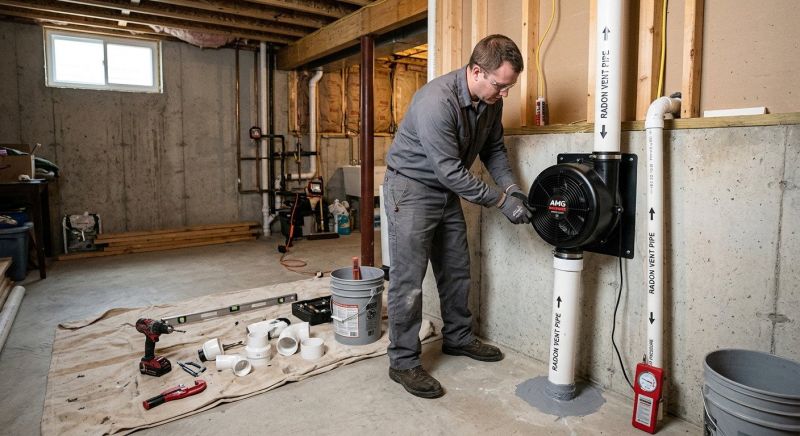
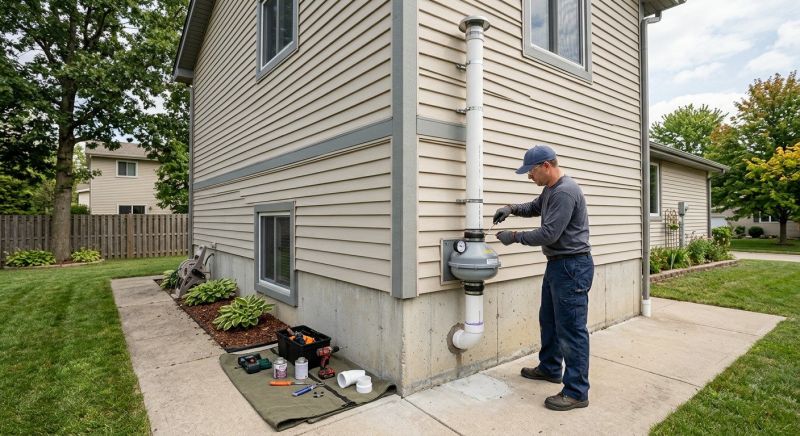
Radon prevention services focus on reducing the risk of radon gas accumulating within residential properties. These services typically involve installing mitigation systems that vent radon from beneath the foundation to the outside air, helping to maintain safe indoor levels. Projects may include sealing cracks and openings, installing vent pipes, or implementing active soil depressurization techniques to ensure that radon does not build up inside the home.
Homeowners often seek radon prevention when constructing new homes, renovating existing structures, or after testing indicates elevated radon levels. Before requesting these services, property owners usually want to understand the scope of the mitigation process, how it will impact the property, and the expected effectiveness of the installed systems. Clear information about installation procedures, maintenance requirements, and how the system will integrate with the existing foundation are common concerns.
Many property owners in Chicago, IL look into Radon Prevention for repairs, replacements, upgrades, and appearance-related improvements.
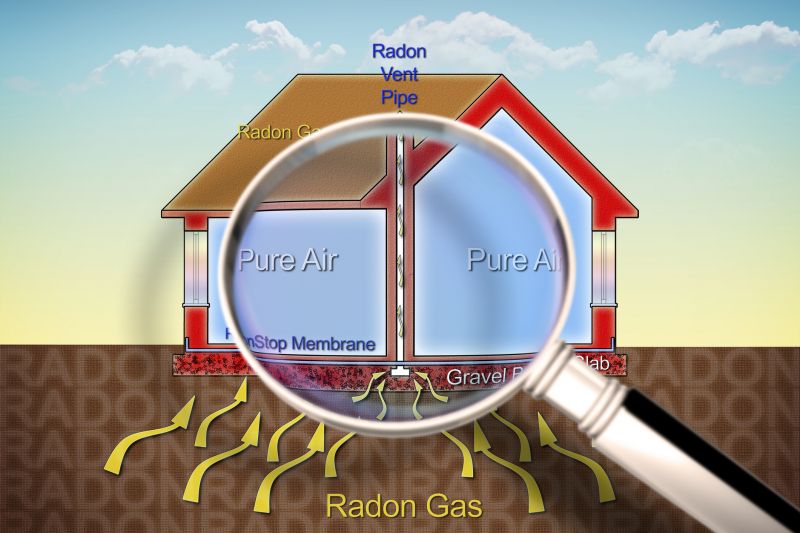
Radon Testing Solutions
Comprehensive radon testing helps identify indoor air quality concerns in residential and commercial properties.
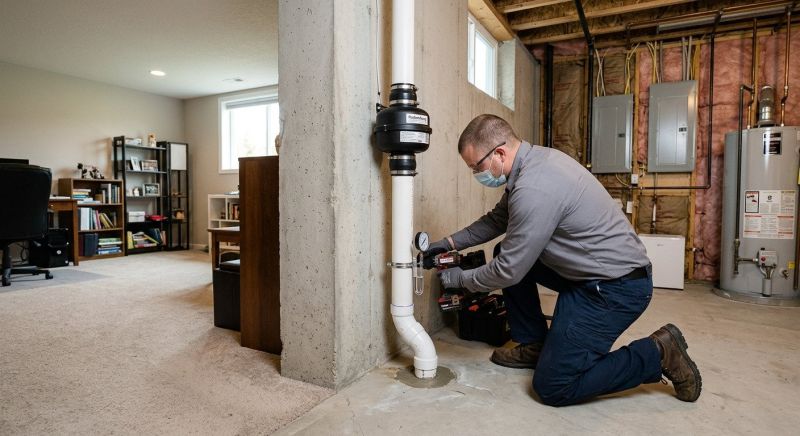
Radon Mitigation Systems
Effective mitigation systems reduce radon levels to promote safer indoor environments for chicago area homes.
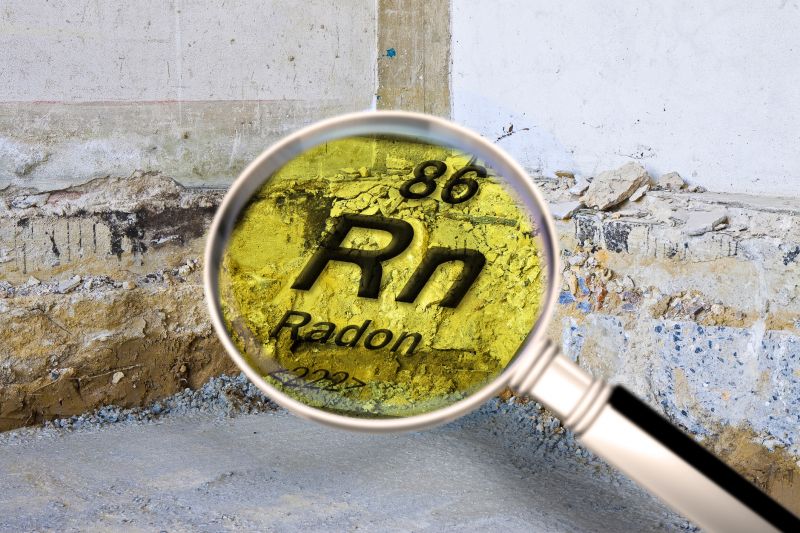
Radon Prevention Tips
Implementing proper ventilation and sealing techniques can prevent radon infiltration in new and existing structures.
Radon Prevention in Chicago, IL

Radon prevention services focus on reducing the risk of radon gas accumulating within residential properties. These services typically involve installing mitigation systems that vent radon from beneath the foundation to the outside air, helping to maintain safe indoor levels. Projects may include sealing cracks and openings, installing vent pipes, or implementing active soil depressurization techniques to ensure that radon does not build up inside the home.
Homeowners often seek radon prevention when constructing new homes, renovating existing structures, or after testing indicates elevated radon levels. Before requesting these services, property owners usually want to understand the scope of the mitigation process, how it will impact the property, and the expected effectiveness of the installed systems. Clear information about installation procedures, maintenance requirements, and how the system will integrate with the existing foundation are common concerns.
Many property owners in Chicago, IL look into Radon Prevention for repairs, replacements, upgrades, and appearance-related improvements.
Common Radon Prevention Jobs
Radon testing - identifies radon levels inside residential and commercial properties.
Radon mitigation - reduces radon concentrations to safer levels in homes and buildings.
Foundation sealing - prevents radon gas from entering through cracks and openings.
Sub-slab depressurization - installs venting systems to draw radon away from indoor spaces.
Ventilation improvements - enhances airflow to lower radon buildup in enclosed areas.
Radon barrier installation - creates a seal beneath the foundation to block radon entry.
Radon Prevention Questions
What is radon prevention? Radon prevention involves installing systems to reduce radon levels in a property and minimize health risks associated with radon exposure.
When should radon mitigation be considered? Radon mitigation is recommended when radon testing indicates levels above safety thresholds, especially in homes and buildings in radon-prone areas.
What types of properties benefit from radon prevention? Both new constructions and existing homes can benefit from radon prevention measures to ensure safe indoor air quality.
How does radon mitigation work? Radon mitigation typically involves installing venting systems that safely direct radon gas from beneath the property to the outside environment.
Request Radon Prevention in Chicago, IL
Use the quote form on this page to share the basics of your project and request more information for the type of work you need.